Introduction to Multiwall Polycarbonate Engineering
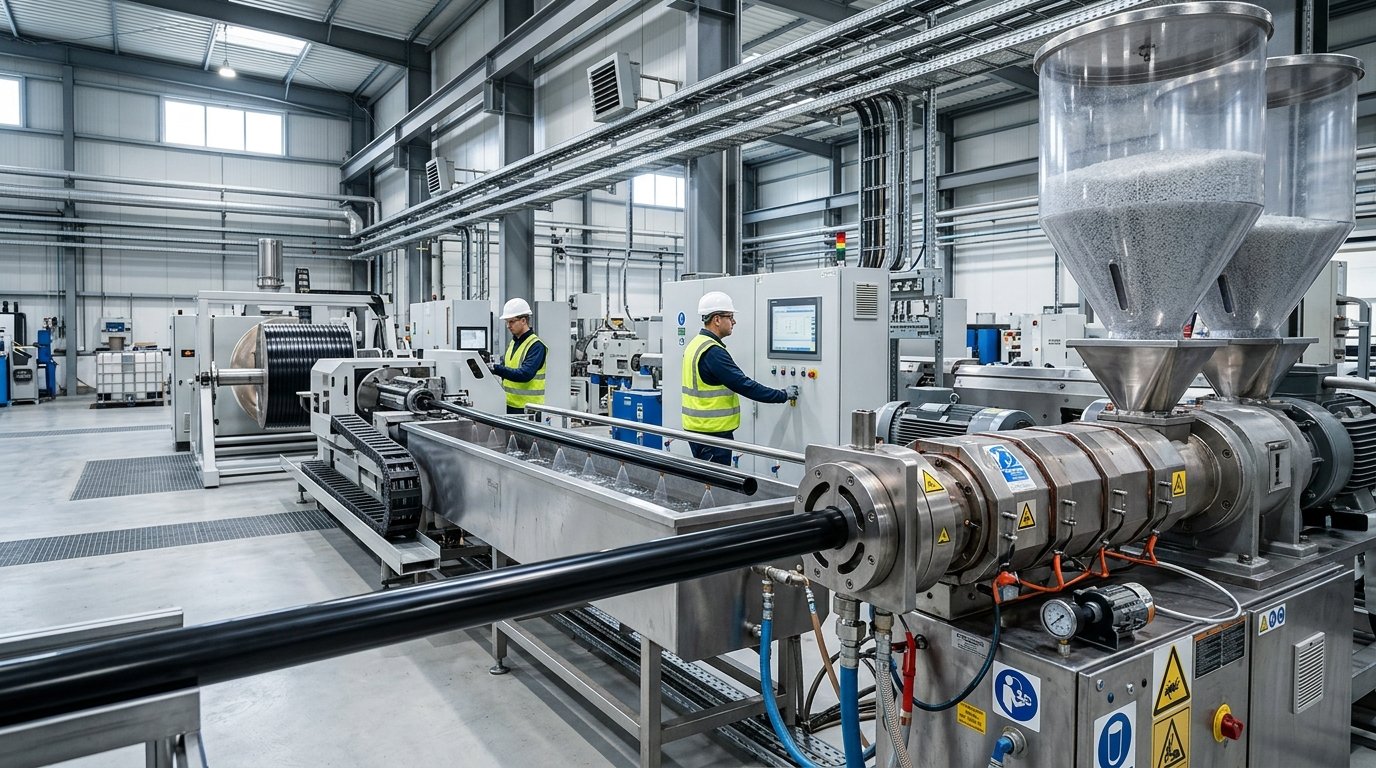
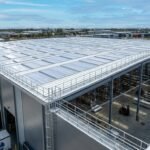
Multiwall polycarbonate sheet technology represents one of the most effective daylighting and thermal insulation solutions available for modern industrial architecture. Featuring internal cellular channels (twin-wall, multi-walled structural ribs, or complex honeycomb configurations), multiwall polycarbonate sheets encapsulate stagnant air pockets. This structural air trap provides exceptional thermal insulation (low U-values) while allowing abundant diffuse natural light to penetrate deep into warehouse interiors.
1. Thermal Insulation Efficiency & U-Value Comparisons
Thermal transmission (measured as U-value in W/m²K) is a critical parameter for industrial roofing envelopes. Standard single-skin corrugated metal sheets offer virtually no thermal insulation. Single-layer glass exhibits high thermal conductivity (U-value ~5.8 W/m²K). In contrast, 16mm multi-wall polycarbonate sheets achieve U-values as low as 1.8 W/m²K, while specialized 25mm 5-wall structures achieve U-values below 1.4 W/m²K. This thermal performance drastically reduces solar heat gain in warm climates and retains building warmth in cold conditions.
2. Optical Performance & Light Diffusion Characteristics
Direct sunlight entering industrial facilities creates harsh glare, deep shadows, and localized heat spots. Multiwall polycarbonate sheets naturally diffuse incoming light rays across their internal structural channels. This diffuse daylighting eliminates harsh shadows, providing uniform, eye-friendly workplace illumination that reduces reliance on artificial electric lighting during daytime working hours.
3. Co-Extruded UV Protection & Weather Resilience
Unprotected polycarbonate degrades when exposed to solar ultraviolet (UV) radiation. Premium architectural multiwall sheets feature a co-extruded high-concentration UV barrier layer fused directly onto the outer surface. This UV layer blocks 99% of harmful solar UV radiation, preventing sheet yellowing, loss of light transmission, and embrittlement over long-term outdoor exposure.
4. Structural Installation & Joinery Systems
Proper structural installation is paramount for multiwall sheet longevity. Specialized aluminum or polycarbonate joinery profiles equipped with EPDM rubber gaskets secure sheet edges, allowing for natural thermal expansion and contraction while maintaining watertight integrity. Tape sealing of open sheet flutes (solid aluminum tape at top, breather filter tape at bottom) prevents dust, condensation, and insect entry into internal channels.
Frequently Asked Questions (FAQs)
Q1: Why is flute tape sealing necessary for multiwall polycarbonate sheets?
Tape sealing prevents dust particles, insects, and moisture from entering internal flutes while allowing internal condensation to drain out, keeping internal channels clean and optically clear.
Q2: Can multiwall polycarbonate sheets be cold-bent on site?
Yes, multiwall polycarbonate sheets can be cold-bent along the direction of the flutes to form curved architectural skylights and roof vaults within manufacturer-specified minimum bending radii.
Conclusion
Multiwall polycarbonate technology stands as an ideal daylighting solution for energy-conscious industrial facilities. By combining low thermal conductivity, high light diffusion, and structural durability, multiwall sheets empower architects and PEB builders to create sustainable, light-filled industrial spaces.