
The Global Push for Structural Lightweighting
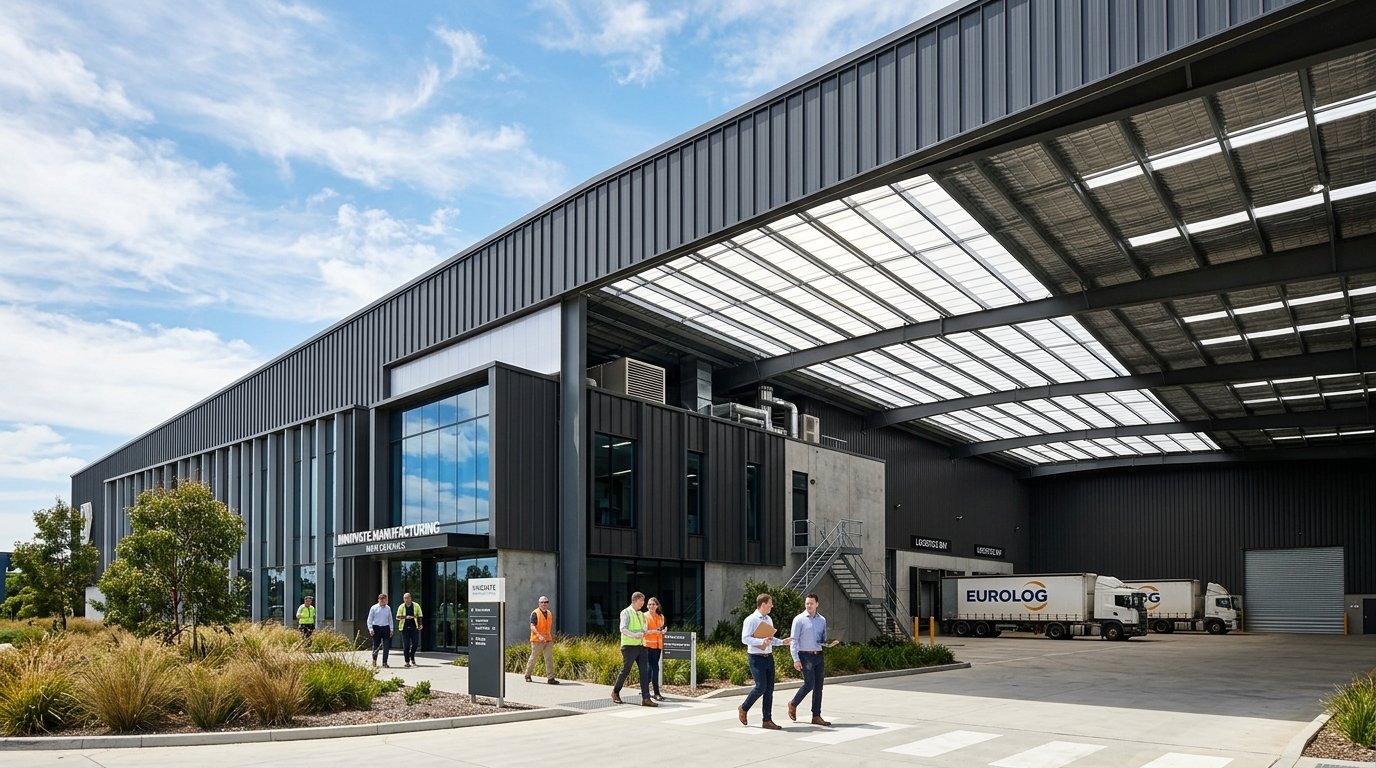
Industrial lightweighting—the deliberate engineering strategy to reduce the overall mass of equipment, vehicles, and building components without compromising structural integrity or safety—is a paramount priority across modern manufacturing. Lower structural weight directly translates into lower energy consumption, reduced carbon emissions, lower shipping costs, and faster operational speeds. Advanced polymers stand at the forefront of this industrial transition.
1. Weight Reduction Strategies Across Industrial Sectors
A. Transport & Logistics Equipment
In heavy commercial vehicles, material handling systems, and freight logistics, substituting metal structural panels with polymer composites reduces gross vehicle weight, enabling higher payload capacities and lower fuel consumption per ton-kilometer.
B. Industrial Machinery & Robotics
Robotic arms and automated end-effectors fabricated from carbon-reinforced polymer composites require less actuation energy, enabling faster acceleration curves, reduced cycle times, and smaller electric motor drives.
C. Architectural Envelopes & Roofing Systems
Polycarbonate multiwall panels and structural plastic composite cladding weigh up to 80% less than glass and concrete wall systems, allowing lightweight steel truss framing and lower foundation load requirements.
2. FEA Mold Simulation & Structural Topology Optimization
Modern finite element analysis (FEA) software enables engineers to optimize rib patterns, wall thickness distributions, and load paths within polymer components. By placing material only where structural stress requires it, component weight is minimized while flexural and torsional stiffness are maximized.
3. Overmolding & Multi-Material Component Consolidation
Multi-component injection overmolding allows soft thermoplastic elastomers (TPE) to be bonded directly onto rigid engineering polymer substrates in a single automated molding cycle. This eliminates metal fasteners, gaskets, and manual assembly steps, producing lightweight, sealed, multi-functional assemblies.
Frequently Asked Questions (FAQs)
Q1: How does lightweighting using polymers save energy in manufacturing operations?
Lighter moving parts require less force and electrical energy to accelerate and decelerate, significantly reducing electric motor power draw over millions of operational cycles.
Q2: Are lightweight polymer structures durable enough for industrial environments?
Yes, engineered polymer composites withstand extreme vibration, chemical exposure, impact, and fatigue without experiencing metal stress cracking or corrosion.
Conclusion
Lightweighting is a transformational industrial trend enabled by advanced polymer engineering. By replacing dense traditional materials with high-strength polymer composites, manufacturers create high-efficiency, long-lasting industrial solutions for the modern world.
