
Introduction: The New Era of Structural Building Materials
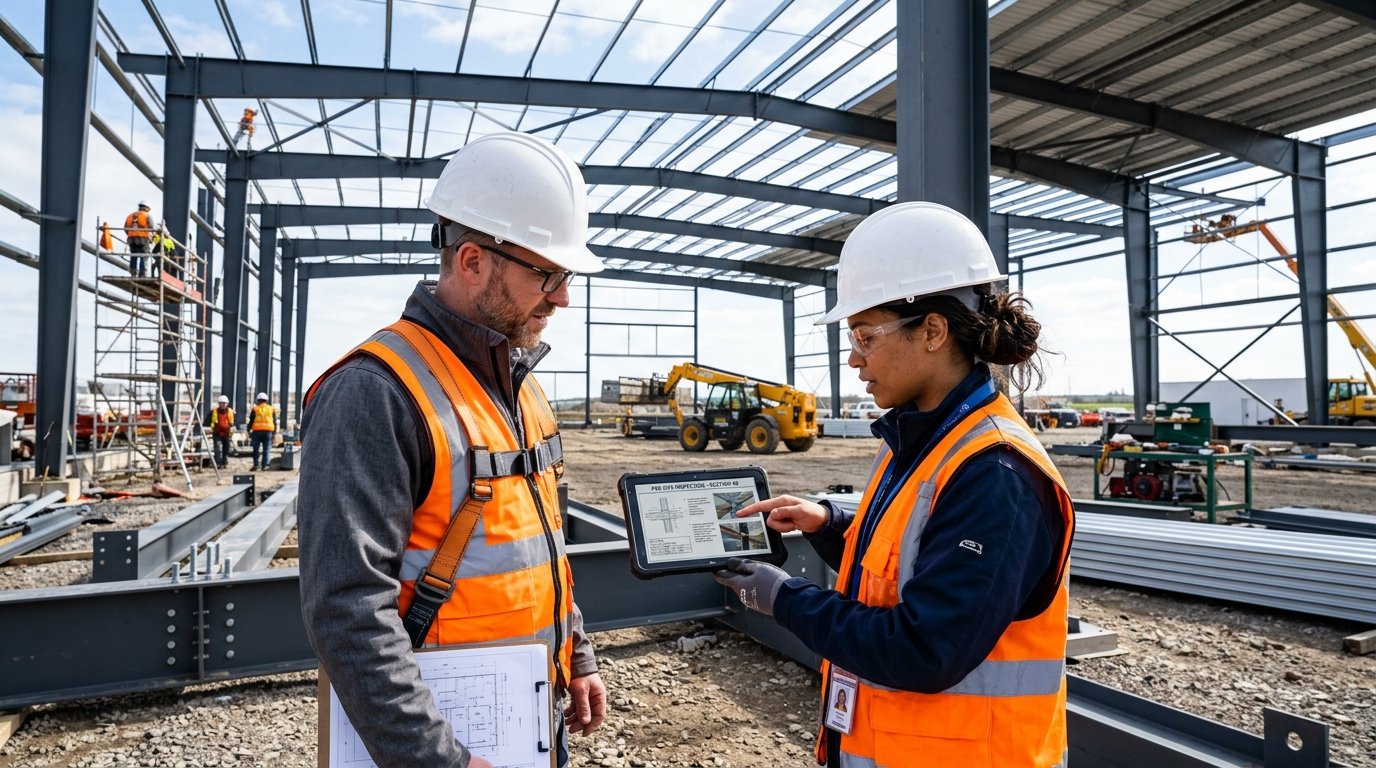
The construction industry is experiencing a profound material evolution. Demands for faster project delivery, higher structural longevity, carbon footprint reduction, and enhanced resilience against climate risks are driving civil engineers and architects to adopt next-generation building materials. Traditional concrete and mild steel are being augmented and upgraded with ultra-high-performance composites, self-healing materials, and lightweight polymer systems.
1. Ultra-High Performance Concrete (UHPC) & Fiber Reinforcement
UHPC represents a major milestone in concrete technology. By optimizing particle packing density and integrating steel or synthetic micro-fibers, UHPC achieves compressive strengths exceeding 150 MPa—more than three times that of conventional concrete. UHPC allows for ultra-thin, lightweight structural beams, slender bridge decks, and durable architectural cladding panels with virtually zero permeability to water and chloride ions.
2. Advanced Engineered Wood & Mass Timber Structures
Mass timber products, including Cross-Laminated Timber (CLT) and Glued Laminated Timber (Glulam), are transforming commercial construction. Manufactured by laminating solid timber boards under immense pressure, CLT panels provide high structural strength-to-weight performance, excellent fire resistance (charring insulation effect), and carbon sequestration benefits.
3. Structural Polymer Composites & Translucent Glazing
Polymer matrix composites, such as Glass-Fiber Reinforced Polymer (GFRP) rebar and multiwall polycarbonate facade systems, are replacing corrosion-prone steel rebar and heavy glass facades. GFRP rebar is immune to salt and chemical corrosion, offering double the tensile strength of mild steel at a quarter of the structural mass.
4. Self-Healing & Phase-Change Smart Materials
Material science has introduced bio-concrete containing dormant bacterial spores that precipitate limestone to seal micro-cracks automatically upon water ingress. Simultaneously, phase-change materials (PCMs) encapsulated in wallboards passively absorb heat during daytime peaks and release it as temperatures drop, stabilizing indoor thermal environments.
Frequently Asked Questions (FAQs)
Q1: Why is GFRP rebar gaining popularity over steel rebar in coastal construction?
GFRP rebar is completely non-corrosive, eliminating rust expansion that causes concrete spalling and structural failure in marine and coastal environments.
Q2: How does Cross-Laminated Timber (CLT) compare to concrete in carbon footprint?
CLT sequesters carbon captured by growing trees during their lifecycle, whereas concrete manufacturing is a major source of global industrial carbon emissions.
Conclusion
Adopting advanced construction materials is essential for building resilient, sustainable infrastructure for future generations. Engineers and builders who integrate UHPC, GFRP composites, and smart materials will lead the construction industry forward.
