Introduction to Modern Plastic Processing Methods
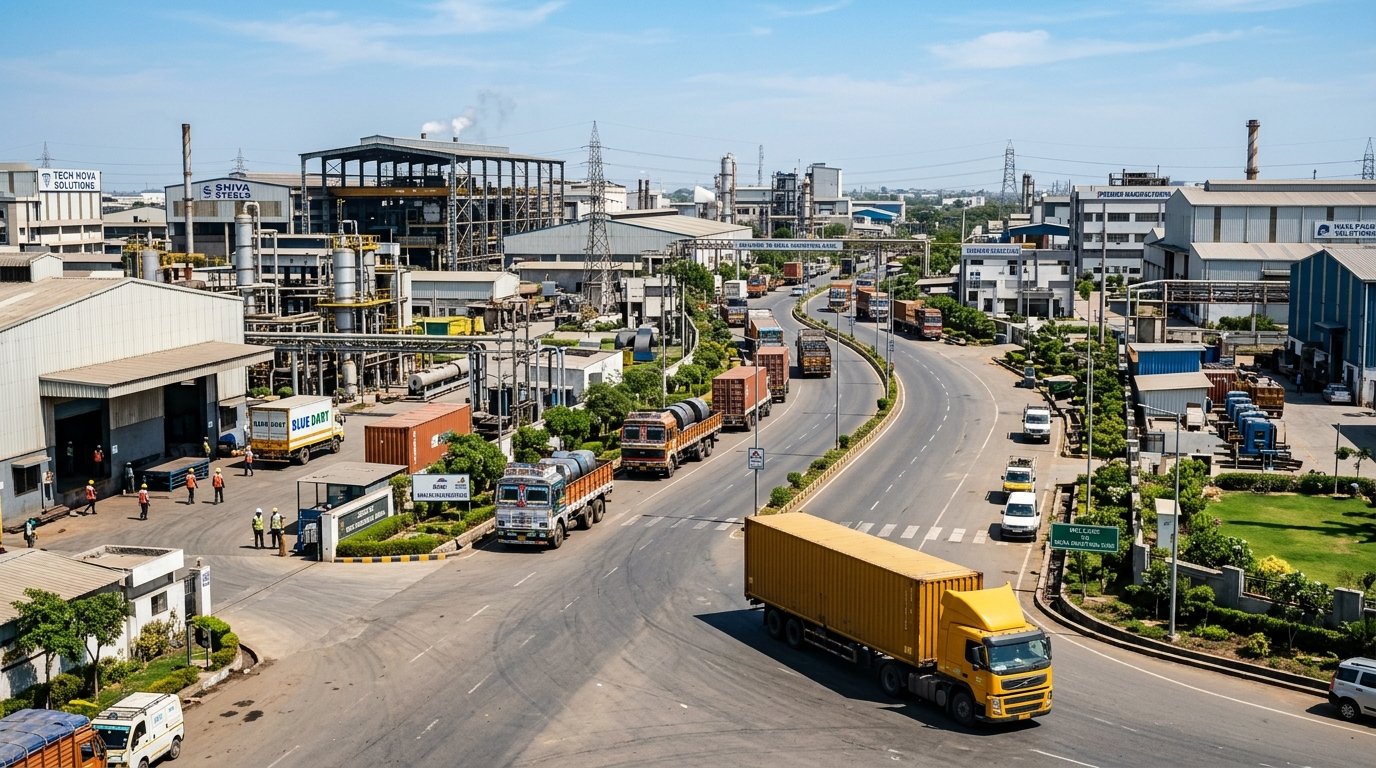
Plastic processing technology has evolved from basic thermomechanical molding into a highly automated, scientific discipline. Modern industrial applications require plastic components with precise dimensional tolerances, zero internal void defects, customized surface textures, and specialized mechanical performance. Achieving these standards demands advanced machinery, state-of-the-art mold tooling, and real-time process monitoring technology.
1. Multi-Layer Co-Extrusion Systems
Multi-layer co-extrusion is critical for producing specialty architectural sheets, barrier films, and multi-wall panels. By combining distinct polymer resins through a specialized feedblock and die system, manufacturers create composite sheets where each layer performs a specific function—such as an outer UV-blocking cap layer, a structural core layer, and an inner chemical-resistant barrier.
2. All-Electric Injection Molding Automation
All-electric injection molding machines utilize servo motors for clamping, injection, plasticizing, and ejection operations. This eliminates hydraulic oil contamination, reduces energy consumption by up to 50 percent, and delivers repeatability tolerances measured in microns. Integrated robotic arms automatically extract molded parts, inspect them using vision sensors, and package them without human intervention.
3. Reaction Injection Molding (RIM) & Structural Foam Molding
For large-scale structural components, RIM and structural foam molding offer exceptional advantages. By mixing reactive liquid polymers or introducing blowing agents during injection, lightweight components with high flexural rigidity and dense solid outer skins are formed. This technique is extensively used for industrial equipment enclosures, automotive panels, and heavy-duty building components.
4. In-Line Quality Control & Smart Sensor Networks
Modern extrusion and molding lines incorporate ultrasonic thickness gauges, infrared melt temperature sensors, and optical vision cameras along the production line. Data collected by these sensors is processed by closed-loop control systems that instantly adjust screw speeds, cooling water rates, or injection pressure parameters to prevent out-of-spec products.
Frequently Asked Questions (FAQs)
Q1: What are the main benefits of co-extrusion in sheet production?
Co-extrusion allows different functional properties—such as UV resistance, color tinting, thermal insulation, and impact strength—to be combined into a single continuous sheet without requiring secondary lamination adhesives.
Q2: Why are all-electric molding machines preferred in clean manufacturing?
All-electric machines eliminate hydraulic oil, preventing fluid leaks, reducing ambient noise, and operating at higher cleanliness levels required for medical, electronic, and food-contact component production.
Conclusion
Adopting advanced processing technology enables plastic molders and extruders to produce high-value, highly reliable products while minimizing scrap rates and energy usage. Continuous investment in processing innovation remains essential for staying competitive in global manufacturing markets.
