The global industrial market for architecture & design is undergoing a monumental shift driven by technological innovations, stringent sustainability mandates, and evolving architectural standards. Industrial leaders, project managers, EPC contractors, and structural engineers are increasingly turning to high-performance solutions to optimize structural integrity, reduce operational lifecycle costs, and achieve net-zero building targets. In this comprehensive technical analysis, PolyPlast Man explores the core drivers, material science breakthroughs, and market dynamics shaping the future of acoustic insulation and thermal efficiency in modern industrial architecture across modern manufacturing and construction ecosystems.
1. Technological Innovations and Material Engineering
Material engineering has reached unprecedented levels of precision. In recent years, advanced polymer formulations, multiwall sheet geometries, UV-coextrusion coatings, and reinforced composite structures have redefined structural performance benchmarks. Key technical benefits include:
- High Strength-to-Weight Ratio: Engineered polymer components provide high impact resistance (up to 200 times that of glass) while significantly reducing dead loads on steel structural framing.
- Enhanced Thermal Insulation: Multiwall geometries trap air columns, offering low U-values (as low as 1.0 W/m²K) that drastically cut HVAC energy demands in commercial facilities.
- UV Co-extrusion Technology: Protective surface layers prevent yellowing, degradation, and loss of light transmission under intense outdoor solar radiation.
- Fire Safety Compliance: Advanced flame-retardant additives enable compliance with EN 13501-1 (B-s1, d0) and ASTM E84 class A fire safety ratings.
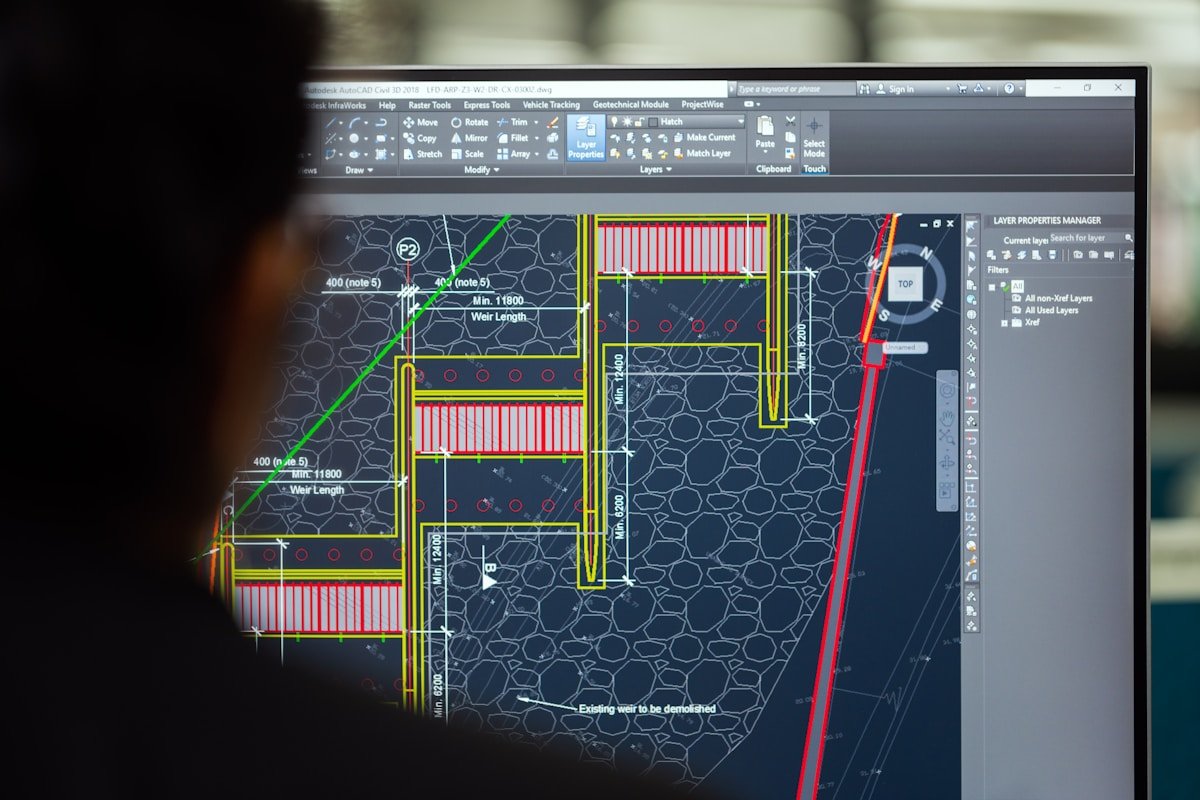
Figure 1: Advanced industrial deployment and operational execution of Acoustic Insulation and Thermal Efficiency in Modern Industrial Architecture in modern facilities.
2. Industrial Applications and Structural Design Integration
Integrating advanced architecture & design solutions into large-scale commercial and industrial projects requires rigorous engineering calculations. Structural engineers must evaluate wind uplift loads, thermal expansion coefficients, seismic joint flexibility, and daylight autonomy. For instance, standing-seam polycarbonates and specialized PEB roof panels allow continuous daylighting without sacrificing watertight structural integrity.
Furthermore, in pharmaceutical cleanrooms, chemical processing plants, and food processing facilities, non-porous polymer wall cladding systems provide hygienic, easy-to-clean surfaces resistant to aggressive chemical washdowns and microbial growth.
3. Market Dynamics, Supply Chains, and Regulatory Outlook
From a commercial and economic perspective, the demand for high-end architecture & design products across North America, Europe, and Asia-Pacific is projected to grow at a CAGR of 6.8% over the next decade. Key growth catalysts include government infrastructure spending, expansion of solar farm developments, modernization of logistics hubs, and national green building codes such as LEED, BREEAM, and IGBC standards.
Industry procurement managers are increasingly emphasizing localized supply chain security, strategic resin stockpiling, and long-term warranties from established manufacturers. Companies that invest in automated extrusion lines, closed-loop scrap recycling, and digital quality control are gaining significant competitive advantages in global B2B tender processes.
4. Future Outlook and Strategic Takeaways
As the industrial sector accelerates toward smart manufacturing and decarbonized building design, the synergy between material science and digital technology will remain paramount. Emerging developments in bio-based resins, self-healing polymer matrix coatings, and embedded IoT sensors for real-time structural health monitoring promise to further extend the operational lifespan of industrial infrastructure.
PolyPlast Man will continue to deliver authoritative technical reporting and market intelligence to empower decision-makers across the plastics, polymers, construction, and building material sectors worldwide.