The Rise of BIPV & Building-Integrated Energy
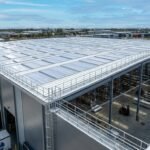
Integrating renewable energy generation directly into building envelope structures—known as Building-Integrated Photovoltaics (BIPV)—is transforming modern industrial architecture. Rather than retrofitting heavy PV panels onto existing roofs, BIPV integrates solar technology directly into standing seam metal roofs, glass facades, and translucent daylighting canopies, producing dual-functional energy-generating building envelopes.
1. Technological Foundations of BIPV Roofing
BIPV systems utilize high-efficiency crystalline silicon or flexible thin-film solar cells encapsulated between protective polymer weather layers. These panels serve as the primary waterproof roofing membrane while generating clean electrical power. Non-penetrating clamping mechanisms on standing seam metal profiles ensure structural integrity without compromising roof waterproofing warranties.
2. Synergistic Integration of Daylighting & BIPV
Combining BIPV solar panels with multiwall polycarbonate daylighting strips creates a complete smart energy roof. Solar panels generate clean power on opaque roof areas while adjacent translucent polycarbonate strips diffuse natural sunlight into interior floor spaces, drastically minimizing artificial lighting demands.
3. Micro-Grid Integration & Energy Economics
BIPV roofing installations paired with battery energy storage systems (BESS) form localized industrial micro-grids. Industrial facilities store excess peak solar generation during daytime hours to offset high evening utility tariffs or maintain continuous operations during power outages.
Frequently Asked Questions (FAQs)
Q1: What is the main difference between BIPV and conventional rooftop solar?
BIPV serves as the structural building envelope component (roofing/cladding) while generating power, whereas conventional PV involves mounting separate solar panels on top of an existing finished roof.
Q2: How long do BIPV solar roofing systems last?
High-grade BIPV solar roofs are engineered to match industrial building design lifespans, offering linear power output guarantees for 25 to 30 years.
Conclusion
BIPV solar roofing represents the future of sustainable industrial infrastructure. Merging clean energy generation with high-performance building envelopes accelerates progress toward net-zero carbon operations.