The Evolution of Industrial Roofing Systems
The roof of an industrial or commercial building is far more than a simple weather barrier—it is a critical, complex engineering system that influences structural integrity, thermal regulation, energy performance, rainwater management, and internal environmental comfort. Industrial facility operators require roofing systems that offer 100% leak-proof reliability, thermal insulation, resistance to wind uplift forces, and long-term durability with minimal maintenance.
1. Key Modern Roofing System Technologies
A. Standing Seam Metal Roofing Systems
Standing seam roofs feature concealed fastener clips and mechanically seamed rib joints raised above the drainage plane. By eliminating exposed screw penetrations through the sheet surface, standing seam systems eliminate leak risks and accommodate unrestricted thermal expansion and contraction over long structural roof spans.
B. Insulated Sandwich Panels (PUF / PIR / Rockwool)
Factory-manufactured insulated sandwich panels consist of rigid insulation cores encapsulated between inner and outer pre-painted steel liner sheets. These panels provide structural span strength, exceptional thermal resistance, and acoustic dampening in a single fast-track installation step.
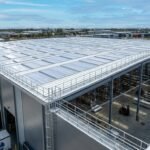
C. Integrated Translucent Polycarbonate Skylights
Precision-molded corrugated polycarbonate sheets engineered to match metal roof profile shapes are integrated into roof slopes to form continuous daylighting bands, introducing natural diffuse sunlight into factory floors.
2. Rainwater Management & High-Capacity Drainage Systems
Heavy monsoon downpours across India require high-capacity roof drainage engineering. Modern roofing technology incorporates custom-folded heavy-gauge perimeter gutters, siphonic drainage systems, and optimized roof slopes that rapidly evacuate rainwater, preventing ponding and structural overflow.
3. Solar Reflective Coatings & Cool Roof Technologies
Applying High-Albedo solar reflective coatings or utilizing pre-painted steel coils with high Solar Reflectance Index (SRI) values keeps roof surface temperatures up to 25°C cooler under intense summer sunlight, drastically reducing building heat ingress and urban heat island effects.
Frequently Asked Questions (FAQs)
Q1: What is the main advantage of standing seam roofing over conventional screw-down metal roofs?
Concealed fasteners in standing seam systems eliminate through-roof screw holes, preventing water leaks and allowing the metal sheets to expand and contract thermally without loosening structural fasteners.
Q2: What is the recommended daylighting roof percentage for industrial warehouses?
Typically, installing translucent polycarbonate daylighting strips over 8% to 12% of total roof area provides optimal interior daytime lighting without causing excessive heat gain.
Conclusion
Modern industrial roofing technologies combine structural safety, weather resistance, energy efficiency, and daylighting performance. Selecting the right roofing envelope system is paramount to building long-term industrial asset value.