Polycarbonate in Green Building Architecture
As sustainable building certification programs such as LEED (Leadership in Energy and Environmental Design) and IGBC (Indian Green Building Council) gain global adoption, building materials are scrutinized for their life-cycle environmental impact. Polycarbonate has emerged as a cornerstone material in green architecture due to its unique combination of energy conservation capabilities, natural light optimization, light structural weight, and end-of-life recyclability.
1. Energy Optimization & Carbon Footprint Reduction
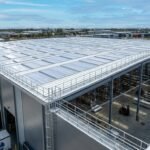
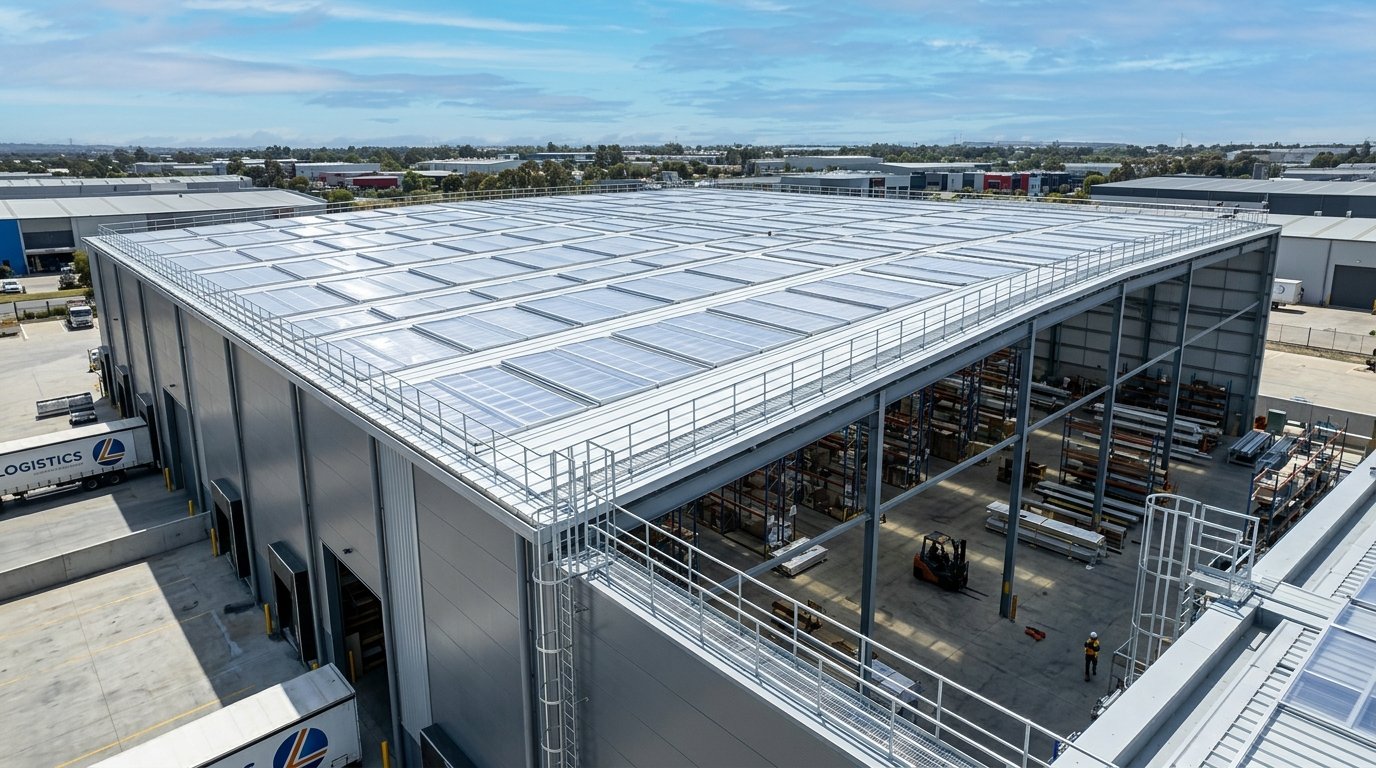
Building energy consumption is heavily dictated by lighting and HVAC demands. By replacing solid dark roofing profiles with high-performance translucent polycarbonate daylighting strips, industrial facilities reduce daytime electrical lighting loads by up to 70%. Furthermore, multiwall polycarbonate facade systems reduce HVAC cooling loads due to their low solar heat gain coefficient (SHGC) coatings and low U-value insulation performance.
2. Indoor Environmental Quality (IEQ) & Daylight Optimization
Occupant well-being and productivity are directly linked to natural daylight access. Polycarbonate daylighting systems deliver soft, diffused natural illumination that eliminates glare and eye strain. Access to quality natural light in industrial assembly plants has been proven to enhance worker alertness, improve safety compliance, and boost overall manufacturing productivity.
3. Structural Resource Efficiency & Reduced Material Use
Because polycarbonate sheets are lightweight (approximately 10% to 15% of the weight of glass panels of equivalent thickness), supporting structural steel requirements are significantly minimized. Smaller steel columns, lighter roof trusses, and reduced concrete foundation sizes decrease embodied carbon across the entire building structure.
4. Life Cycle Durability & Circular Recyclability
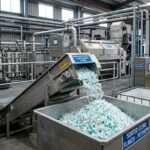
High-grade UV-protected polycarbonate sheets offer operational lifespans exceeding 20 years with minimal maintenance. At end-of-life, thermoplastic polycarbonate can be completely melted down, re-granulated, and remanufactured into secondary industrial plastic products, preventing landfill waste.
Frequently Asked Questions (FAQs)
Q1: How does polycarbonate help achieve LEED certification points?
Polycarbonate contributes to points under Energy & Atmosphere (energy performance optimization), Indoor Environmental Quality (daylight & views), and Materials & Resources (material reuse & transparency).
Q2: Does polycarbonate yellow over time under intense sun exposure?
Architectural-grade polycarbonate with co-extruded UV protection layers resists yellowing and loss of light transmission for decades under harsh solar conditions.
Conclusion
Polycarbonate’s role in sustainable building design is set to expand rapidly. By delivering thermal insulation, natural illumination, resource efficiency, and recyclability, polycarbonate enables architects to build high-performance, net-zero ready industrial structures.