The Imperative for Circular Plastics
The traditional linear take-make-dispose industrial model is rapidly being replaced by a circular economy model where plastic products are engineered from inception for reuse, repair, and high-efficiency recycling. Driven by environmental imperatives, consumer awareness, and strict government policies, the polymer processing supply chain is deploying advanced recycling technologies to transform plastic waste into valuable secondary raw materials.
1. Mechanical Recycling Innovations
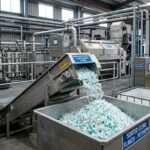
Mechanical recycling remains the primary pathway for processing post-consumer PET bottles, HDPE containers, and PP crates. Modern mechanical recycling facilities feature NIR (Near-Infrared) automated optical sorters that classify polymer types and colors at high speeds. Advanced friction washing, hot-water de-labeling, and vacuum degassing extruders remove contaminants and volatile organic residues, producing high-purity recycled pellets suitable for secondary industrial components.
2. Chemical Recycling & Pyrolysis Breakthroughs
For complex, multi-layer, or heavily contaminated plastic waste that cannot be mechanically recycled, chemical recycling provides a groundbreaking solution. Processes like pyrolysis, depolymerization, and gasification break down long-chain polymer molecules back into basic hydrocarbon monomers or synthetic oil feedstocks. These feedstocks can then be fed back into steam crackers to produce virgin-quality polymers suitable even for food-grade or medical applications.
3. Designing for Recycling (DfR) Principles
Achieving a true circular economy begins at the drawing board. Designers and structural engineers are adopting DfR principles: simplifying product designs, eliminating unrecyclable multi-material combinations, switching to mono-material solutions, and utilizing bio-based additives that do not interfere with standard mechanical wash-lines.
4. Industrial & Construction Applications for Recycled Plastics
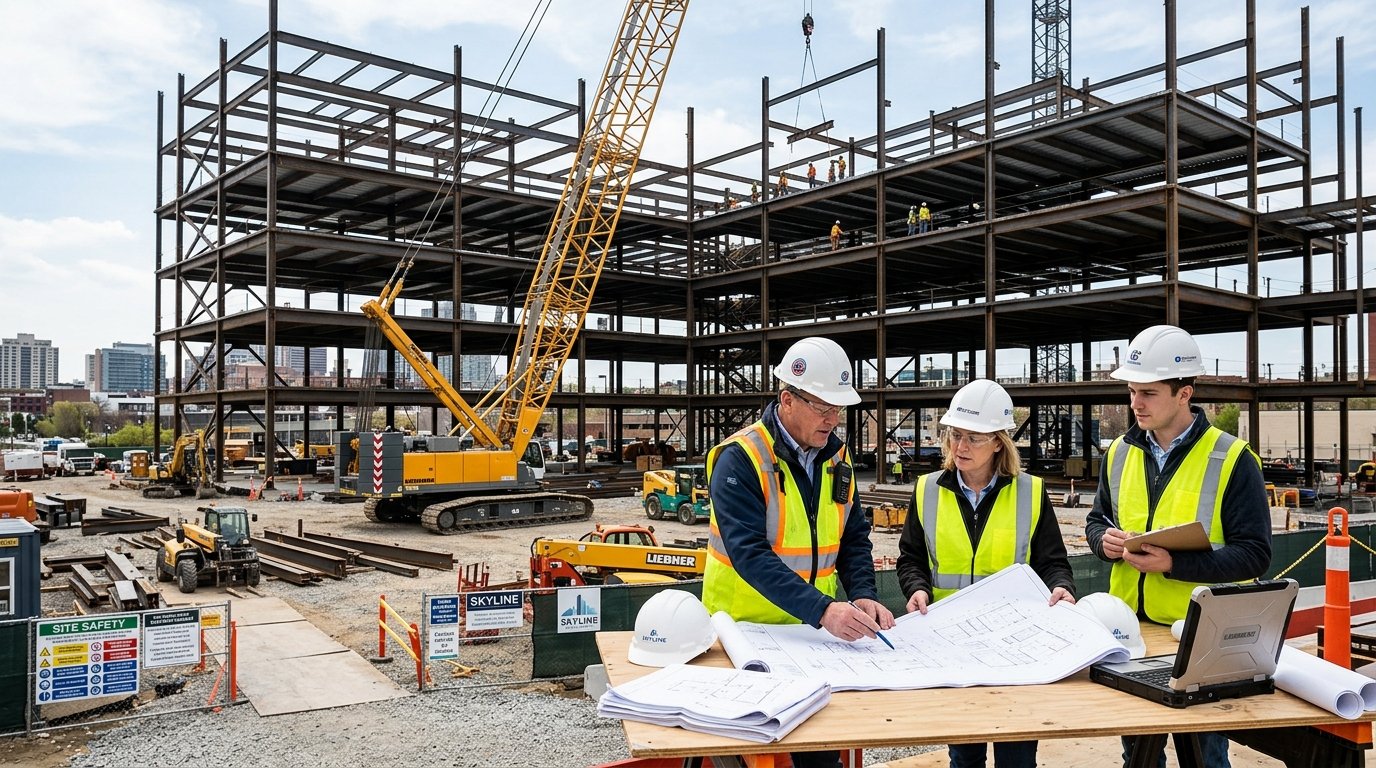
Recycled plastics are finding valuable long-term applications outside disposable packaging. In civil engineering and construction, recycled polymer compounds are extruded into heavy-duty railway sleepers, structural plastic timber for outdoor decking, underground cable protection ducts, drainage grids, and composite insulation boards, effectively locking up plastic waste in durable infrastructure assets for decades.
Frequently Asked Questions (FAQs)
Q1: What is the main difference between mechanical and chemical recycling?
Mechanical recycling physically melts and re-pelletizes plastic without altering its chemical polymer structure, while chemical recycling breaks plastic down chemically into basic monomers or feedstocks to re-synthesize virgin-grade polymers.
Q2: How do recycled plastics perform in construction applications?
When properly compounded with UV stabilizers and reinforcing fillers, recycled plastics provide high moisture resistance, rot-proof durability, and long structural service life in non-structural and semi-structural building products.
Conclusion
The transformation toward a circular plastics economy requires collaboration across chemical producers, component molders, brand owners, recyclers, and policymakers. By scaling mechanical and chemical recycling technologies, the industry turns environmental challenges into sustainable economic opportunities.