Commercial Opportunities in Materials Infrastructure
India’s rapid industrial expansion and urban modernization are creating unprecedented commercial opportunities for manufacturers, polymer compounders, distributors, and EPC contractors within the advanced building materials domain. As green building mandates, pre-engineered building (PEB) adoption, and industrial park developments expand, early investors in high-performance materials are capturing high-margin market growth.
1. High-Growth Product Categories
A. Insulated Sandwich Panels (PUF / PIR)
Surging demand for cold-chain warehousing, pharmaceutical logistics, and modular industrial buildings has created a booming market for continuous PIR insulated wall and roof panels, experiencing over 15% annual demand growth.
B. Multiwall & Solid Polycarbonate Sheets
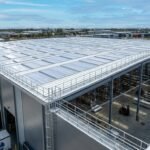
Daylighting requirements in industrial warehouses and aesthetic translucent architectural cladding are driving massive adoption of UV-stabilized polycarbonate sheet profiles across Tier-1 and Tier-2 industrial clusters.
C. Composite Structural Profiles & FRP Systems
Corrosion-resistant FRP walkways, structural rebar, and chemical storage profiles are replacing steel in coastal infrastructure, chemical processing plants, and marine ports.
2. Localization & Production-Linked Incentive (PLI) Catalysts
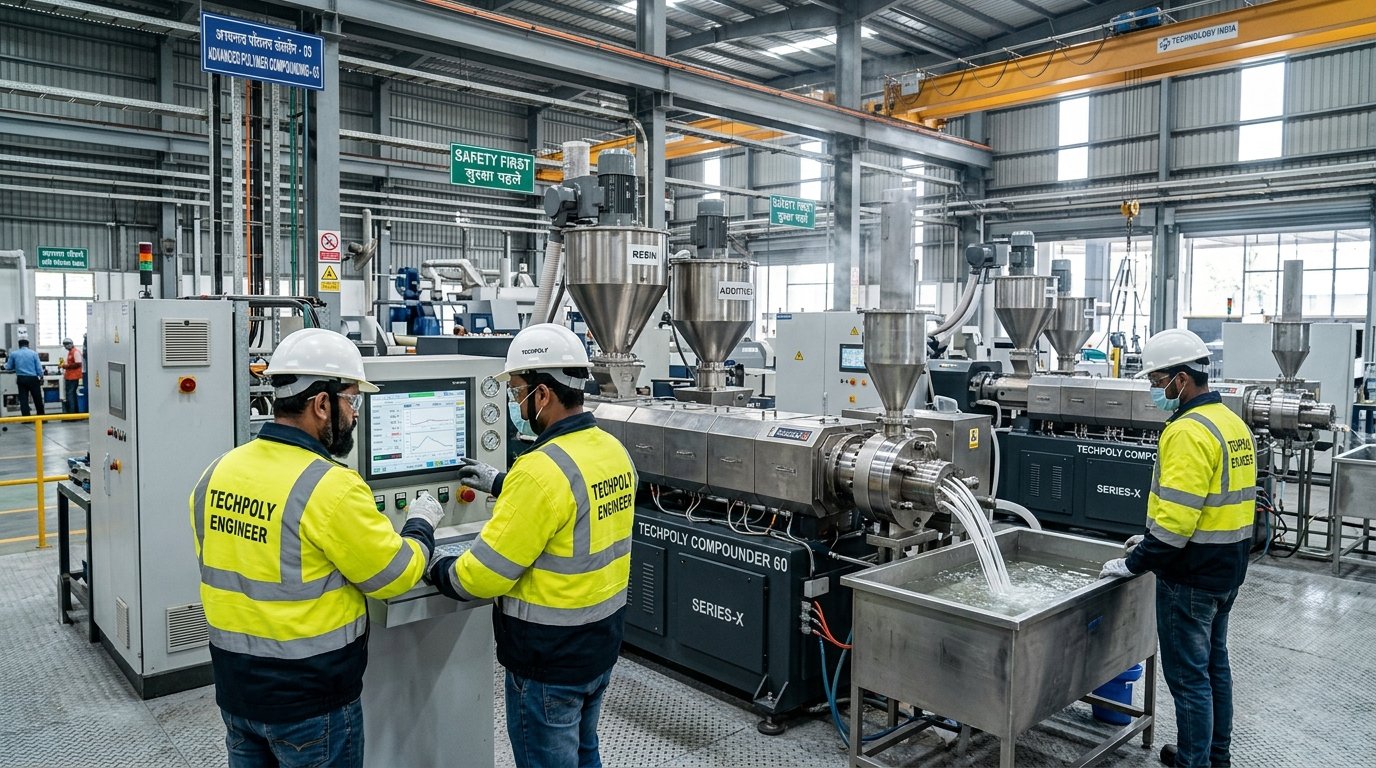
Government initiatives encouraging domestic manufacturing and infrastructure development provide tax incentives and land allocation for specialized plastic parks. Local compounding plants that engineer custom flame-retardant and UV-resistant resin grades are reducing import reliance and serving regional export markets across South Asia.
Frequently Asked Questions (FAQs)
Q1: Which sectors are driving demand for advanced building materials in India?
Key demand drivers include 3PL warehouse logistics parks, renewable solar installations, industrial PEB factories, commercial airports, and urban green building developments.
Q2: Why is domestic polymer compounding critical for business competitiveness?
Domestic compounding allows manufacturers to customize additive formulations (UV protection, flame retardancy, impact modifiers) for local climatic conditions while reducing currency risk and lead times.
Conclusion
The advanced building materials sector offers compelling long-term business potential. Companies that prioritize product innovation, quality compliance, and regional distribution channels are positioned to dominate India’s industrial landscape.