Engineering Principles of Architectural Polycarbonate
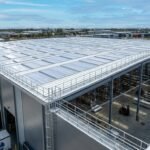
Polycarbonate (PC) is a high-performance amorphous engineering thermoplastic characterized by exceptional mechanical impact strength, high optical clarity, heat resistance, and structural versatility. In contemporary industrial architecture and commercial civil engineering, polycarbonate sheets have replaced conventional glass and heavy fiber-reinforced plastics (FRP) across industrial skylights, curved canopy roofs, stadium structures, and building envelopes.
1. Mechanical & Optical Performance Specifications
Polycarbonate delivers an unmatched combination of mechanical toughness and light transmission. With an impact strength up to 200 times greater than float glass, polycarbonate is virtually shatterproof against heavy hail strikes, falling debris, and seismic tremors. Co-extruded UV protection layers filter out 99% of harmful solar ultraviolet rays while allowing up to 88% visible light transmission, preventing material degradation and color yellowing across decades of severe solar exposure.
2. Multiwall vs Solid Polycarbonate Architecture
Solid polycarbonate sheets provide crystal-clear optical transparency matching float glass at half the structural dead weight. Multiwall sheets incorporate hollow internal air channels (twin-wall, triple-wall, multi-cellular structures) that act as natural thermal barriers, achieving U-values as low as 1.4 W/m²K while diffusing direct sunlight into omni-directional interior daylighting.
3. Installation Best Practices & Thermal Expansion Engineering
Polycarbonate possesses a thermal expansion coefficient higher than structural steel framing. Structural installation requires oversized screw clearance holes, aluminum joining profiles with EPDM rubber seals, and breathing flute filter tapes to accommodate thermal movement while preventing internal condensation and dust entry.
Frequently Asked Questions (FAQs)
Q1: Can solid polycarbonate sheets be cold-bent on-site?
Yes, solid and multiwall polycarbonate sheets can be cold-bent along the flute direction to construct curved skylights and barrel vault roofs within manufacturer-defined minimum bending radii.
Q2: How does polycarbonate contribute to green building certifications?
By lowering HVAC thermal cooling loads and maximizing natural interior daylighting, polycarbonate systems directly contribute to LEED and IGBC green building energy credits.
Conclusion
Polycarbonate sheet technology represents a fundamental material for sustainable industrial construction. Its structural safety, thermal efficiency, and light diffusion performance establish it as the preferred daylighting material for modern architects.