The Architecture of Materials
Architecture is fundamentally shaped by material choices. Modern architectural design balances aesthetics, structural performance, occupant comfort, and long-term environmental sustainability. Architects are increasingly replacing conventional stone, dark glass, and brick with high-performance translucent polycarbonate cladding, recycled metal composite panels, and bio-based structural elements.
1. Translucent Polycarbonate Facades & Dynamic Lighting
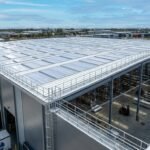
Polycarbonate facade systems allow architects to create stunning translucent building envelopes that diffuse natural sunlight into interior atrium spaces during the day, while glowing like architectural lanterns at night when backlit by interior artificial lighting. The multiwall cellular structure of polycarbonate provides thermal insulation while keeping structural envelope dead-weight low.
2. High-Performance Ventilated Rainscreen Facades
Ventilated rainscreen facade systems feature an exterior protective cladding layer separated from an inner insulated wall by a continuous ventilated air cavity. Solar heat gain is dissipated via stack-effect ventilation in the air cavity, protecting the interior wall from moisture ingress and reducing summer cooling loads.
3. Material Circularity & Environmental Product Declarations (EPDs)
Architects are prioritizing material transparency. Building products certified with Environmental Product Declarations (EPDs) detail verified life-cycle carbon footprints, enabling design teams to perform Embodied Carbon Whole Life Assessments during early schematic design stages.
Frequently Asked Questions (FAQs)
Q1: Why choose translucent polycarbonate over traditional architectural glass for facades?
Polycarbonate offers superior thermal insulation, significantly lower structural weight, high shatter-proof impact resistance, natural light diffusion without glare, and unique aesthetic translucency at lower material and installation costs.
Q2: What is the stack effect in ventilated rainscreen facades?
The stack effect refers to warm air naturally rising inside the cavity between the facade cladding and the wall, continuously drawing cool air in at the bottom and venting hot air out at the top.
Conclusion
Material innovation empowers architects to redefine structural aesthetics and environmental building performance. Integrating translucent polycarbonate, ventilated rainscreens, and EPD-certified sustainable materials shapes the landmark architecture of tomorrow.