Introduction: The Transformation of Indian Manufacturing
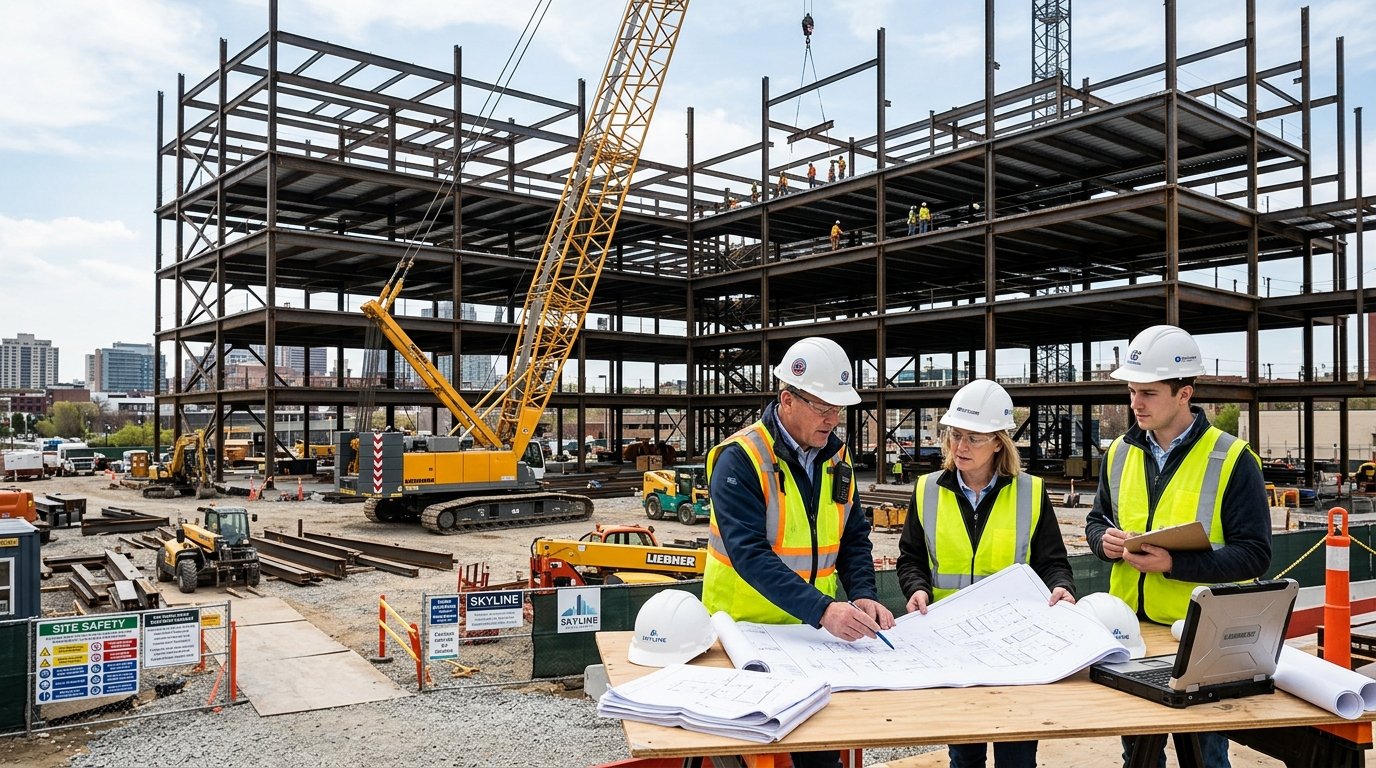
India’s industrial landscape is undergoing a massive transformation, driven by heavy capital investments in manufacturing facilities, specialized economic corridors, and modern industrial park infrastructure. At the core of this industrial resurgence is a fundamental shift toward advanced materials—high-performance engineering plastics, advanced polymer alloys, composite cladding, and smart insulation systems. Modern manufacturing plants require structural materials capable of withstanding extreme mechanical stress, chemical exposure, and elevated operating temperatures while offering lower maintenance cycles and enhanced energy conservation.
1. The Strategic Imperative for Advanced Materials in Production Facilities
Industrial facility engineering has moved far beyond traditional brick-and-mortar construction. Modern manufacturing plants—spanning automotive, electronics, pharmaceutical, chemical processing, and renewable energy sectors—demand specialized environment controls. Advanced polymer composites and specialized polycarbonate glazing systems provide corrosion-resistant, lightweight, and electrically non-conductive solutions essential for specialized manufacturing environments.
2. Key Advanced Material Categories in Industrial Applications
A. Engineering Thermoplastics
Polyamides (PA), Polybutylene Terephthalate (PBT), and Polycarbonate (PC) are replacing aluminum and steel in structural housings, fluid handling systems, and internal machinery components due to their high tensile strength and flame retardancy.
B. Polymer Composites & FRP Systems
Fiber-Reinforced Polymers (FRP) and continuous glass-fiber composites are widely deployed in structural walkways, chemical storage tanks, and non-corrosive roofing profiles across coastal industrial zones.
C. High-Efficiency Building Envelope Materials
Insulated sandwich panels (PUF/PIR), structural glazing sheets, and thermal break polycarbonate skylights ensure steady ambient temperatures inside large-scale assembly halls, reducing HVAC power consumption by up to 35 percent.
3. Regional Manufacturing Hubs & Supply Chain Localization
The establishment of mega industrial zones in Western and Southern India has created localized industrial clusters. Proximity between polymer resin suppliers, compounding facilities, and component molders has drastically reduced lead times for industrial building contractors. Localized compounding facilities allow custom masterbatch formulations, flame-retardant grade sheets, and UV-resistant panels to be engineered specifically for Indian climatic conditions.
4. Sustainability & Industrial Clean Energy Integration
Industrial facility developers are under increasing pressure to reduce operational carbon footprints. Advanced materials play a central role in green industrial building design. Polycarbonate daylighting systems integrate seamlessly with rooftop solar PV installations, allowing dual-use roofs that maximize clean power generation while capturing natural diffuse light for interior factory floors.
5. Quality Assurance, EPDs, and Standard Compliance
To compete in global supply chains, Indian component suppliers and material manufacturers are adopting rigorous international testing protocols. Compliance with Bureau of Indian Standards (BIS), ASTM International tests, and ISO 9001 quality management ensures that locally manufactured polymer products meet stringent safety and longevity criteria.
Frequently Asked Questions (FAQs)
Q1: Why are advanced polymers favored over traditional metals in modern manufacturing equipment?
Advanced polymers eliminate rust and corrosion, reduce component weight, damp industrial noise, lower friction, and eliminate the need for liquid lubricants in many clean-room applications.
Q2: How do specialized roofing materials lower industrial factory operating costs?
By offering superior thermal insulation and natural daylighting, specialized multiwall polycarbonate and PUF roofing panels cut electricity bills associated with daytime lighting and space cooling.
Conclusion
The future of Indian industrial manufacturing relies heavily on material science innovation. As domestic production facilities scale up to meet global standards, the integration of advanced polymers, composite envelopes, and smart materials will remain a key determinant of operational efficiency and industrial competitiveness.