Executive Overview: India’s Expanding Materials Ecosystem
India’s plastics and building materials sector is undergoing an unprecedented structural evolution, propelled by large-scale infrastructure expansion, urban development, and rapid modernization across manufacturing facilities. As domestic manufacturing capabilities expand under national economic initiatives, the demand for high-performance polymers, energy-efficient building materials, and advanced structural solutions has surged dramatically. This comprehensive report examines the structural trends, technical innovations, and market dynamics redefining the sector in 2026 and beyond.
1. Accelerated Adoption of High-Performance Polymers & Composites
Traditional construction and manufacturing applications are increasingly substituting legacy materials like wood, unreinforced concrete, and heavy metals with advanced engineering polymers and composite formulations. High-density polyethylene (HDPE), polypropylene (PP) compounds, and polycarbonate (PC) composites are gaining market share due to their superior strength-to-weight ratios, chemical resistance, and ease of fabrication. In industrial structural envelopes, polymer-matrix composites offer thermal efficiency and moisture resistance critical for harsh industrial environments across South and Central India.
2. Circular Economy Frameworks & Polymer Recycling Technologies
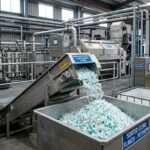
Regulatory frameworks surrounding Extended Producer Responsibility (EPR) have compelled plastic processors and building material manufacturers to integrate closed-loop recycling mechanisms. Mechanical recycling technologies combined with chemical depolymerization allow post-consumer and post-industrial plastic waste to be transformed into high-grade structural components, such as recycled plastic composite lumber, drainage channels, and lightweight insulation cores. Leading Indian manufacturers are investing heavily in wash-line technology and optical sorting automation to ensure consistent secondary raw material purity.
3. Growth in Pre-Engineered Buildings (PEB) & Lightweight Cladding
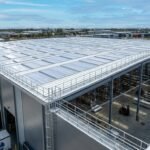
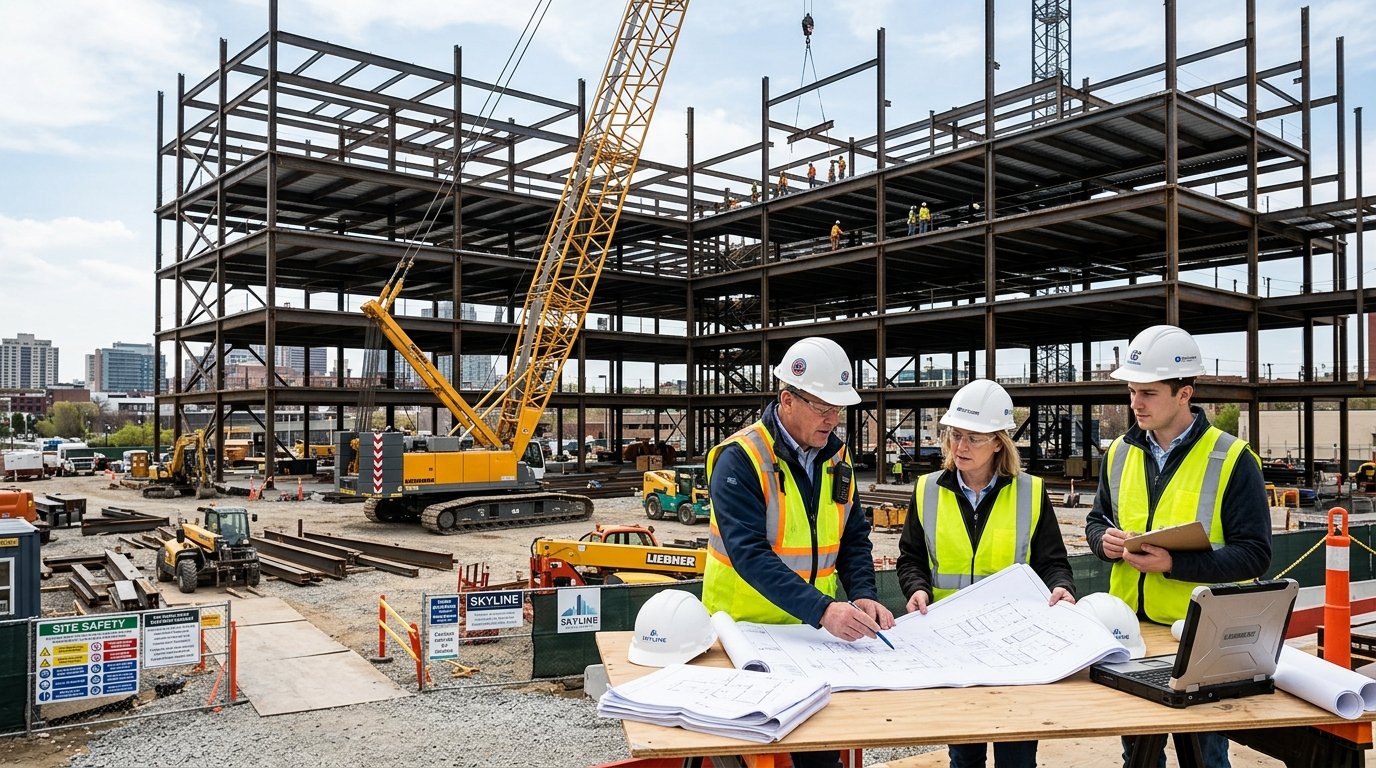
The rapid expansion of third-party logistics (3PL) hubs, industrial parks, and manufacturing clusters has created massive demand for Pre-Engineered Buildings (PEB). Within PEB architecture, daylighting solutions using multiwall polycarbonate sheets, insulated PUF (Polyurethane Foam) panels, and standing-seam roofing systems have become mandatory standards. Facility managers prioritize materials that minimize thermal gain while maximizing natural indoor lighting, directly contributing to lower operational expenditures and enhanced occupant comfort.
4. Regulatory Standards & Green Building Certification Compliance
Compliance with green building standards governed by IGBC (Indian Green Building Council) and GRIHA is no longer an optional marketing feature; it has become a fundamental project requirement. Material suppliers are obtaining Environmental Product Declarations (EPDs) and micro-emissions testing to prove compliance with strict volatile organic compound (VOC) limits. Building envelopes featuring thermal break insulation, solar reflective roofing membranes, and recyclable polymer sheets earn crucial points under green rating systems, accelerating their commercial adoption.
5. Supply Chain Resilience & Localized Raw Material Sourcing
Global supply chain volatility has highlighted the necessity of domestic raw material security. Major Indian petrochemical producers are expanding domestic capacity for polymer resins, plasticizers, and specialty additives. Simultaneously, regional processing hubs in Gujarat, Maharashtra, Tamil Nadu, and NCR are establishing integrated industrial parks to streamline logistics from polymer synthesis to finished building component distribution.
6. Digitalization, Quality Control & Automation in Production
Modern plastics extrusion and building material manufacturing plants are integrating Industry 4.0 IoT monitoring, automated thickness control sensors, and AI-driven quality inspection systems. Real-time monitoring of melt temperature, pressure profiles, and cooling gradients ensures sub-millimeter dimensional tolerances for extruded sheets, profiles, and structural panels, minimizing scrap rates and enhancing overall production efficiency.
Frequently Asked Questions (FAQs)
Q1: How are plastics contributing to sustainable building practices in India?
Plastics contribute significantly through thermal insulation panels, durable lightweight roofing, leak-proof piping systems, and long-lasting window profiles that reduce building energy consumption and structural load while being fully recyclable at end-of-life.
Q2: What is driving the demand for polycarbonate sheets in Indian industrial projects?
The primary drivers include high impact resistance, optical clarity, UV protection, light diffusion, and excellent thermal insulation compared to glass and metal roofing strips.
Q3: What role does EPR play in the plastic building materials sector?
EPR mandates mandate that manufacturers participate in plastic waste collection, recycling, and re-utilization, incentivizing the development of recyclable and recycled-content building products.
Conclusion
The convergence of advanced polymer science, industrial automation, and green building mandates is elevating India’s plastics and building materials sector to global standards. Companies that invest in high-efficiency manufacturing, eco-friendly product design, and localized distribution networks will lead the market into a sustainable, tech-driven future.